
Forget the fancy technical jargon. Today, I’m giving it to you straight. I’m going to teach you how to spot gold in the mountains using simple, real-world experience.
1. Gold Always Hangs Out with Its “Better Half”
In the mining world, gold isn’t a loner. Its “better half” is Grey Quartz Veins. If you see quartz mixed with:
- Square-shaped Pyrite (Fool’s gold),
- Blue-green Copper stains,
- Or black Galena, Pay attention. Ten to one, there’s gold nearby. If the rock crevices show rusty red stains (iron oxide), mark that spot immediately. You’ve likely found a “Gold Nest.”
2. Gold Loves a “Cracked” Home
Think of tectonic movement like the Earth shifting—it exerts massive pressure and “pushes” gold and other elements up from the depths. Gold loves picking fissures, cracks, and low spots (fault zones) to settle down. If a mountain is composed of hard, grayish-white rocks like Quartzite or Granite, the gold is likely hiding right underneath those heavy layers.
3. Follow the “Sand Gold” to Find the Mother Lode
What is “Sand Gold” (Placer Gold)? It’s just gold in the water. If you find tiny gold flakes in a creek, don’t just stop there. Move upstream. * If the flakes change from flat and rounded to sharp and jagged, you’re getting closer.
- The moment the gold disappears as you walk upstream, Bingo! You’ve narrowed down the location of the main Gold Vein. Remember: Gold is heavy. It loves to settle in river bends and deep rock crevices. Placer gold is just the “little brother” of the vein gold—follow the water, find the source.
4. Shady Slopes & Red Soil: The Hidden Vaults
There’s an old saying: “Gold comes from the shady side.” Places the sun rarely hits are prime spots. Look for reddish-brown soil (what we call a “Golden Omen”). Also, watch the trees: if they are gnarled, twisted, and bent, it’s a sign of unique ground conditions. Dig there—gold might be waiting for you.
5. Gold Hides in the Folds
“Fold Mountains” are formed by immense pressure, creating waves of rock with countless fractures and faults. Gold is like a ghost—it slips into every available crack. When hot fluids from deep underground rise and cool in these folds, the gold gets trapped. Also, keep an eye out for Greenstone Belts. These are ancient rocks (2.3 billion years old) that were born rich in gold. After eons of pressure, they become “Gold Warehouses.”
🎯 The 5 Golden Rules (Mnemonics)
To help you remember, here is the “Gold Hunter’s Creed”:
- Quartz carries the gold.
- Cracks cradle the gold.
- Sand gold leads the way.
- Shady slopes hold the hoard.
- Mountain folds pile the gold.
If you found this useful, Like and Save this post. Next time you’re out exploring, it might just make you rich!
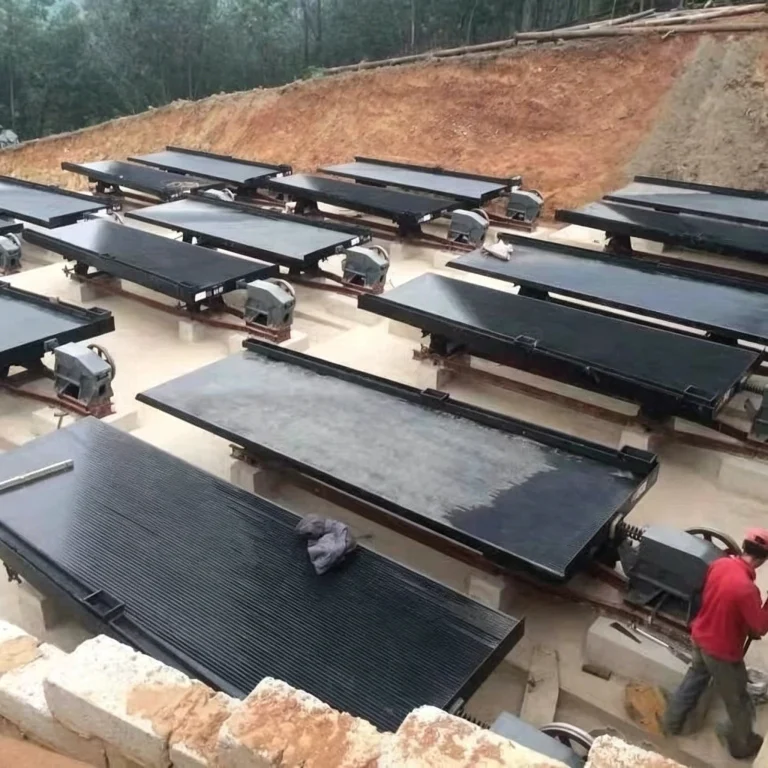
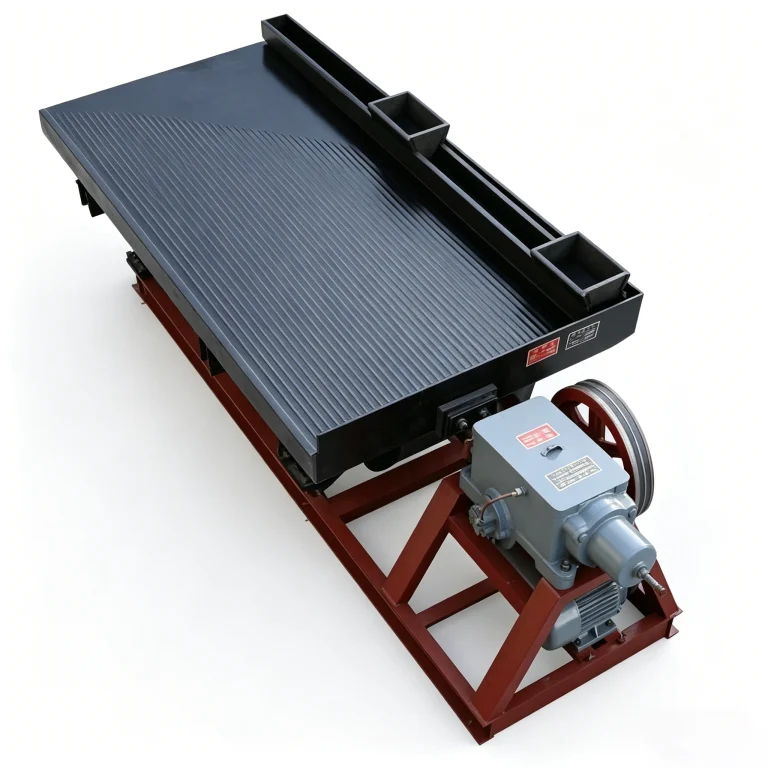
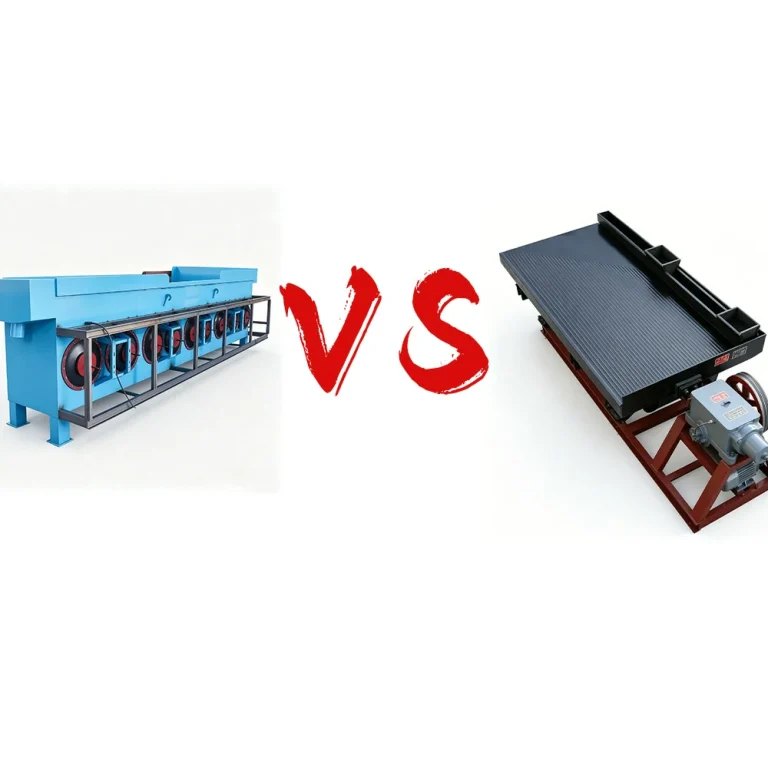
Need the right tools to extract that gold? Check out our STLB Centrifugal Concentrators and JT Jig Machines
Gold Concentrating Shaking Table – Professional Ore Dressing Equipment for Fine Mineral Recoveryhttps://miningequipmentfactory.com/index.php/product/gold-concentrating-shaking-table-professional-ore-dressing-equipment-for-fine-mineral-recovery/
Sawtooth Wave Gravity Jig Separator – Professional Gold and Diamond Washing Plant – miningequipment