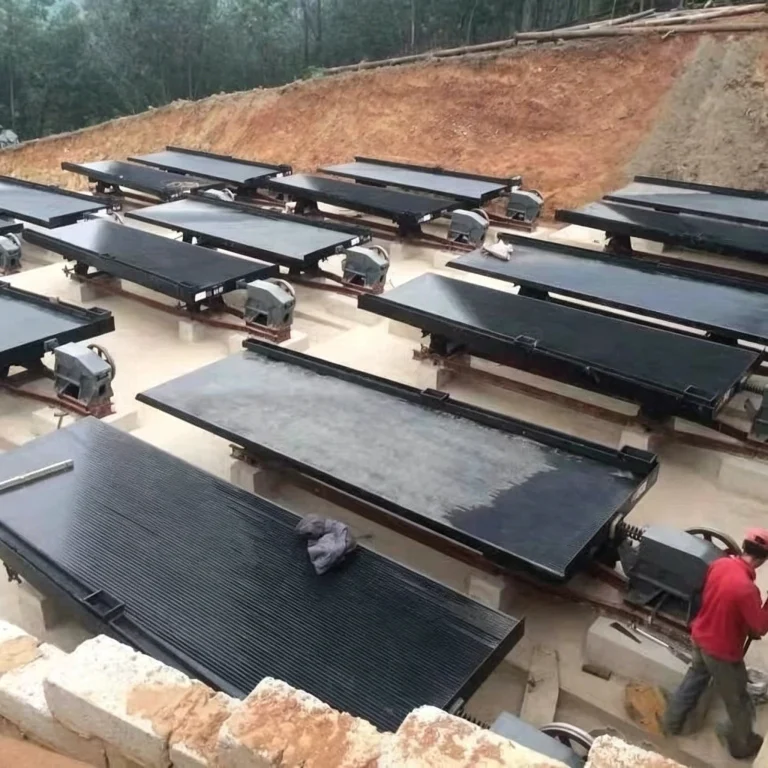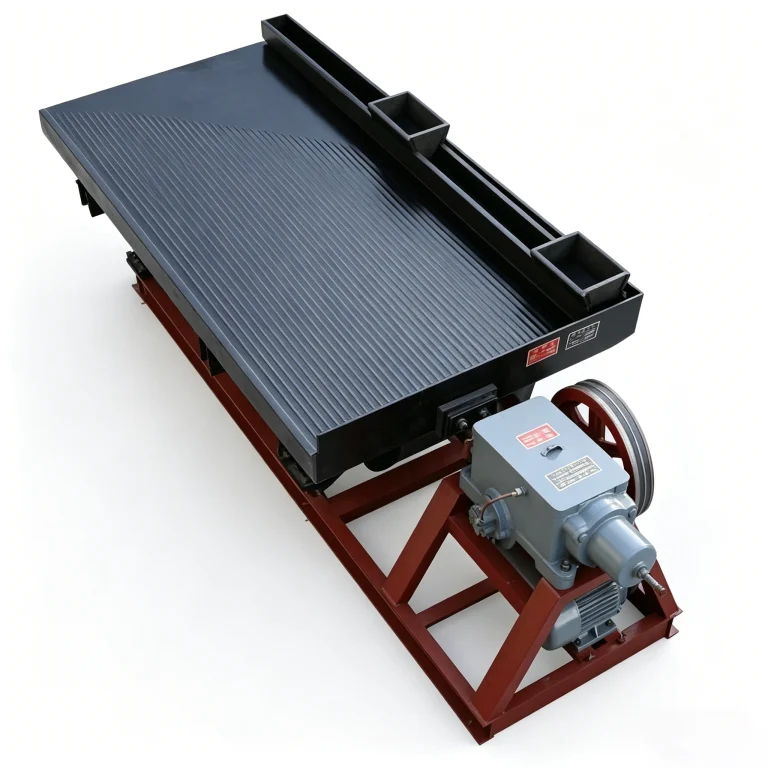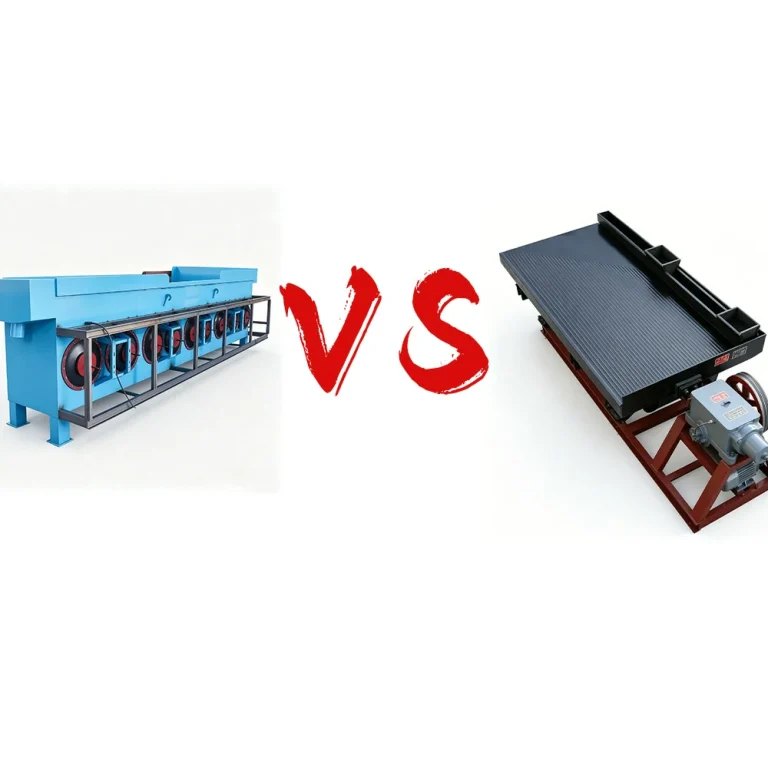

In the mineral processing industry, the Jig Machine is a highly cost-effective gravity separation solution. However, not all ores are suitable for jigging. To help mine owners avoid common mistakes and choose the right equipment, we have summarized four core factors for successful jig separation:
1. Optimal Feeding Size: 1mm to 25mm
Grain size control is the heart of jigging.
- The Golden Range: Mineral particles between 1mm and 25mm are ideal for jigging.
- Impact of Fine Particles: If the ore is too fine (less than 1mm), the enrichment ratio will be poor, leading to significant gold loss.
- Impact of Over-sized Particles: If particles exceed 30mm without sufficient liberation, it leads to “tailing loss,” significantly reducing the overall recovery rate.
2. Positioning: A “Roughing” Specialist
The jig is best used as a roughing device rather than for final cleaning.
- Typical Applications: For ores like manganese, limonite, and chromite, it is recommended to first crush the rock to 10-20mm using a Heavy-Duty Jaw Crusher.
- Recommended Flow: Use the jig for primary enrichment to discard large amounts of waste rock. Then, enter the High Efficiency Ball Mill for fine grinding and final concentration. This “rough first, clean later” strategy significantly saves energy and increases grade.
3. Alluvial Gold Processing: Direct Marketable Concentrate
For owners of alluvial gold mines, the jig machine offers unique advantages:
- One-Step Recovery: When processing placer gold or heavy sand, the gold concentrate produced by the Sawtooth Wave Jig can sometimes reach saleable standards directly.
- High ROI: With gold prices at historic highs, recovering even 4-5 grams per ton of gold dust is highly profitable.
4. Versatile Mineral Applicability
Beyond gold, the jig machine excels in several areas:
- Rare Metals: It is widely used as a roughing stage for tungsten, tin, tantalum, and niobium ores.
- Direct Purification: For processing Barite and Fluorite, the Industrial Side-Action Jig can often achieve the required grade or specific gravity in a single pass, eliminating the need for extra processing steps and cutting costs.